Understanding Essential Nutritional Elements for Men's Well-being
A comprehensive educational resource on nutrients, foods, and balanced nutrition for optimal health
Educational content only. No promises of outcomes.

What are Essential Nutrients?
Essential nutrients are substances your body cannot produce on its own and must be obtained through food and beverages. These nutrients are fundamental for maintaining bodily functions, supporting growth, enabling energy production, and promoting overall well-being.
Nutrients are broadly classified into two main categories: macronutrients and micronutrients. Macronutrients provide energy and form the structural components of your body, while micronutrients support countless biological processes and maintain optimal health.
Types of Essential Nutrients
- Macronutrients: Carbohydrates, proteins, and fats that provide energy and build body structures
- Micronutrients: Vitamins and minerals needed in smaller quantities but essential for health
- Water: A vital nutrient supporting hydration and numerous physiological processes
Each category plays a distinct role in maintaining health, and a balanced diet incorporates adequate amounts of all these nutrient types. Understanding their functions helps explain why diverse, whole-food nutrition is important for sustained well-being.
Key Vitamins for Male Health
Vitamins are organic compounds essential for various bodily functions. For men, certain vitamins play particularly important roles in supporting energy metabolism, bone health, immune function, and overall wellness.
Vitamin D
Supports calcium absorption for bone health, regulates immune function, and plays a role in cellular growth. Natural sources include fatty fish, egg yolks, and mushrooms exposed to sunlight.
Vitamin B12
Essential for nerve function, red blood cell formation, and DNA synthesis. Found primarily in animal products such as meat, poultry, fish, dairy, and eggs. Critical for energy metabolism.
Vitamin C
A powerful antioxidant supporting immune function, collagen synthesis, and iron absorption. Citrus fruits, berries, bell peppers, and leafy greens are excellent sources.
Vitamin A
Important for vision, immune response, and skin health. Available as preformed vitamin A in animal products and as beta-carotene in orange and green vegetables.
Vitamin E
An antioxidant protecting cells from oxidative stress. Found in nuts, seeds, vegetable oils, and leafy greens. Supports cardiovascular and nervous system health.
Vitamin K
Essential for blood clotting and bone metabolism. Dark leafy greens, cruciferous vegetables, and fermented foods provide abundant vitamin K.
Minerals Important for Men
| Mineral | Key Functions | Food Sources |
|---|---|---|
| Zinc | Immune function, wound healing, protein synthesis, cell division | Oysters, beef, pumpkin seeds, cashews, chickpeas |
| Magnesium | Muscle function, energy production, nervous system regulation, bone health | Pumpkin seeds, almonds, spinach, Swiss chard, black beans |
| Selenium | Antioxidant protection, thyroid function, immune response | Brazil nuts, tuna, turkey, whole wheat, brown rice |
| Calcium | Bone strength, muscle contraction, nerve transmission, blood clotting | Dairy products, leafy greens, sardines, fortified plant-based drinks |
| Iron | Oxygen transport, energy metabolism, immune function | Red meat, poultry, fish, lentils, spinach, fortified cereals |
| Potassium | Heart rhythm regulation, blood pressure management, muscle function | Bananas, potatoes, sweet potatoes, beans, spinach, tomatoes |
Food Sources for Optimal Nutrition
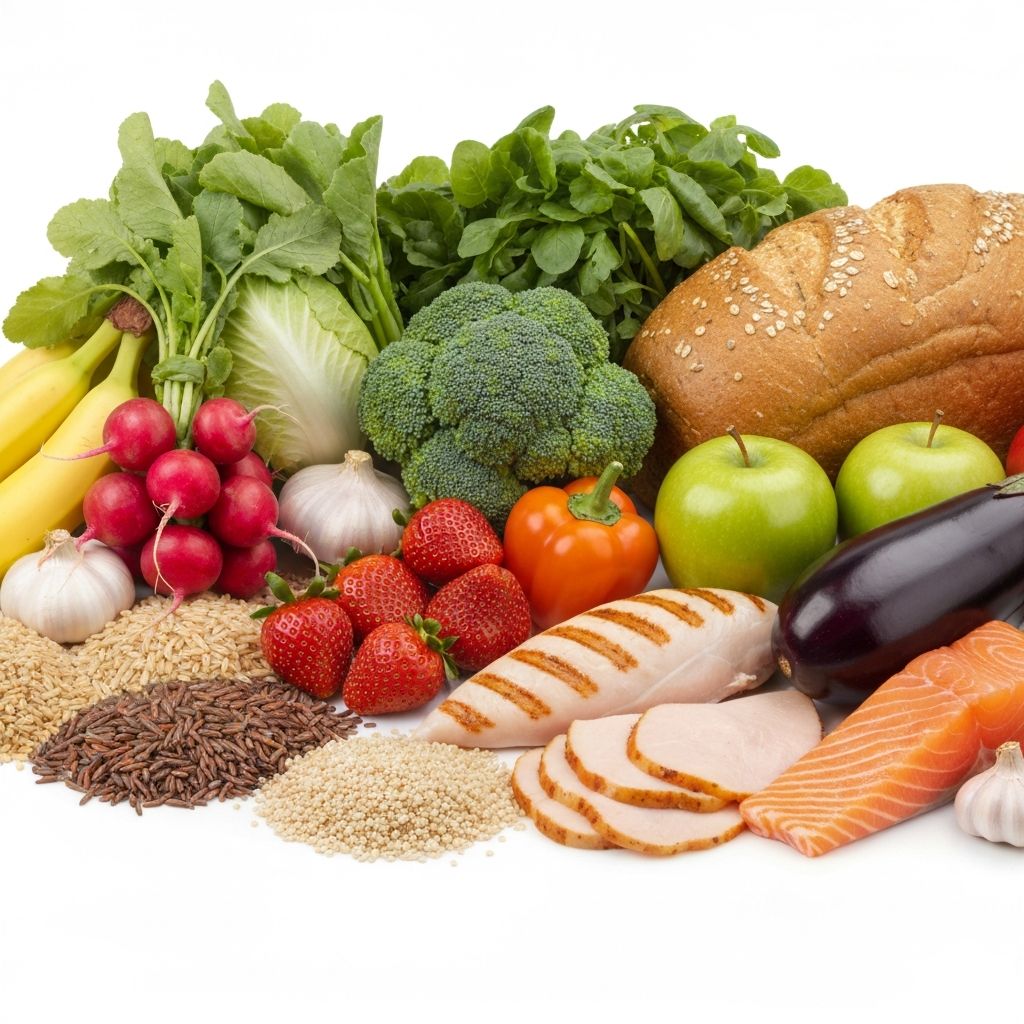
A balanced diet incorporates diverse food groups to ensure comprehensive nutrient intake. Understanding the nutritional profiles of different food categories helps guide informed dietary choices.
Primary Food Categories
- Fruits: Rich in vitamins, minerals, fiber, and antioxidants. Various colors indicate different nutrient profiles.
- Vegetables: Provide vitamins, minerals, and beneficial plant compounds. Leafy greens, cruciferous vegetables, and colorful options offer distinct benefits.
- Whole Grains: Supply sustained energy, fiber, B vitamins, and minerals. Examples include oats, brown rice, quinoa, and whole wheat.
- Lean Proteins: Support muscle maintenance, immune function, and enzyme production. Sources include poultry, fish, legumes, and lean meat.
- Healthy Fats: Support brain health, hormone production, and vitamin absorption. Found in nuts, seeds, fish, and plant oils.
Understanding Dietary Needs
Individual nutritional requirements vary significantly based on multiple factors. Age, physical activity level, metabolism, health status, and personal circumstances all influence how much of each nutrient your body needs.
Factors Affecting Nutritional Needs
- Age: Energy and nutrient requirements change throughout life. Young adult males have different needs than older men.
- Activity Level: Regular physical activity increases requirements for certain nutrients, particularly energy-providing macronutrients and minerals.
- Health Status: Existing health conditions or medications may influence nutrient absorption and requirements.
- Metabolism: Individual metabolic rates affect calorie and nutrient needs.
- Dietary Preferences: Vegetarian, vegan, or other dietary patterns may require thoughtful food selection to ensure adequate nutrition.
General dietary guidelines recommend a balanced approach incorporating adequate amounts of various nutrient categories. However, personalized recommendations should consider individual circumstances.
Dispelling Nutritional Myths
Nutrition science evolves continuously as research deepens our understanding. Some widely held beliefs about food and health may not align with current scientific evidence.
Myth: Carbohydrates are inherently unhealthy
Fact: Complex carbohydrates from whole grains, fruits, and vegetables provide essential energy, fiber, and nutrients. The distinction between refined and whole carbohydrates is important for health.
Myth: All fats should be avoided
Fact: Unsaturated fats from fish, nuts, seeds, and oils support brain health, hormone production, and nutrient absorption. Healthy fats are essential components of a balanced diet.
Myth: You need supplements to be healthy
Fact: A diverse, whole-food diet can provide most nutrients your body needs. Supplements may be beneficial in specific circumstances, but should complement, not replace, good nutrition.
Myth: Eating late causes weight gain
Fact: Weight management relates to overall calorie intake and expenditure, not meal timing. The body processes nutrients similarly regardless of when they're consumed.

The Role of Hydration
Water is an essential nutrient fundamental to life. It comprises approximately 60% of body weight and participates in virtually every physiological process.
Functions of Water
- Temperature regulation through perspiration
- Nutrient transport and absorption
- Waste elimination through urine and other means
- Joint lubrication and cushioning
- Oxygen and nutrient delivery to cells
- Cognitive function and concentration
While individual needs vary, general guidance suggests adequate fluid intake to maintain pale urine color and prevent thirst. Plain water, tea, coffee, and water-rich foods all contribute to hydration.
Lifestyle and Nutrition Synergy
Nutrition does not exist in isolation. It works synergistically with other lifestyle factors to support overall well-being and health.
Interconnected Factors
Physical activity complements good nutrition by improving cardiovascular health, muscle function, and metabolic processes. Regular movement enhances nutrient utilization and supports overall wellness.
Sleep quality affects nutrient metabolism, appetite regulation, and recovery. Adequate sleep supports the body's ability to utilize nutrients effectively.
Stress management influences digestive function and nutrient absorption. Chronic stress can impair the body's ability to process and utilize nutrients optimally.
These lifestyle elements create a comprehensive approach to health that extends far beyond diet alone. Understanding their interconnection emphasizes the importance of a holistic approach to well-being.

Scientific Basis of Nutrition
Modern nutritional science is grounded in rigorous research methodology and evidence-based investigation. Our understanding of nutrients, their functions, and their sources derives from decades of scientific study.

How Nutritional Science Develops
Researchers use various methodologies to understand nutrition, including observational studies, controlled experiments, and meta-analyses combining multiple studies. This cumulative approach strengthens scientific understanding over time.
Nutritional guidelines from reputable organizations reflect current evidence and are updated as new research emerges. The information presented on this resource is grounded in established nutritional science.
Scientific objectivity guides our content. Rather than promoting specific products or approaches, we explain fundamental nutritional concepts based on research evidence.
Final Soft Call to Action
This educational resource has introduced fundamental concepts about nutrients, their functions, and food sources relevant to men's well-being. Explore detailed information on specific topics through our resource pages.
Limitations and Context
This website provides general informational content only. It does not offer personalized medical advice, specific dietary recommendations, or substitute for professional medical consultation. Nutritional needs vary greatly among individuals, and information presented here should be considered within a broader health context, not as a definitive solution for personal health decisions.